The archaeological collections of the William S. Webb Museum of Anthropology form the core of the Museum’s holdings. These collections include materials recovered through University of Kentucky research, federal and state archaeological projects, professional cultural resource management investigations, and donations from individuals and institutions.
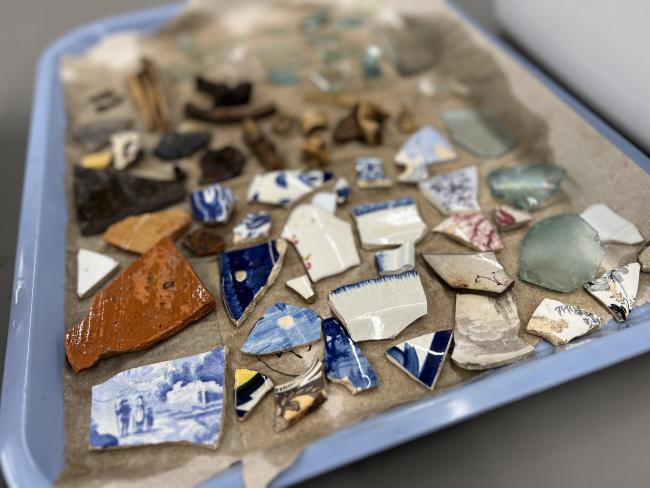
The Museum’s archaeological collections document many regions of Kentucky and include materials from a broad range of time periods, site types, and research traditions. They reflect the long history of archaeological work in the Commonwealth, from early twentieth-century fieldwork by University of Kentucky scholars to modern investigations conducted under contemporary professional standards.
Archaeological collections may include stone tools, ceramics, faunal materials, botanical remains, architectural materials, historic-period artifacts, soil samples, field records, maps, photographs, reports, and other materials recovered or produced through archaeological investigation. The specific contents of each collection vary depending on the nature of the site, project, research design, field methods, and original documentation.

These collections are important not only for what they preserve about Kentucky’s past, but also for the broader anthropological questions they help researchers explore. Archaeological materials can provide insight into technology, foodways, settlement, exchange, environmental change, labor, community organization, identity, and cultural change over time.
The Museum’s archaeological holdings include both legacy collections and more recent collections generated through professional archaeological work. Legacy collections may contain materials from early research projects that remain significant for understanding the development of Kentucky archaeology. More recent collections often include detailed field documentation, reports, and digital data that support new research questions and comparative studies.
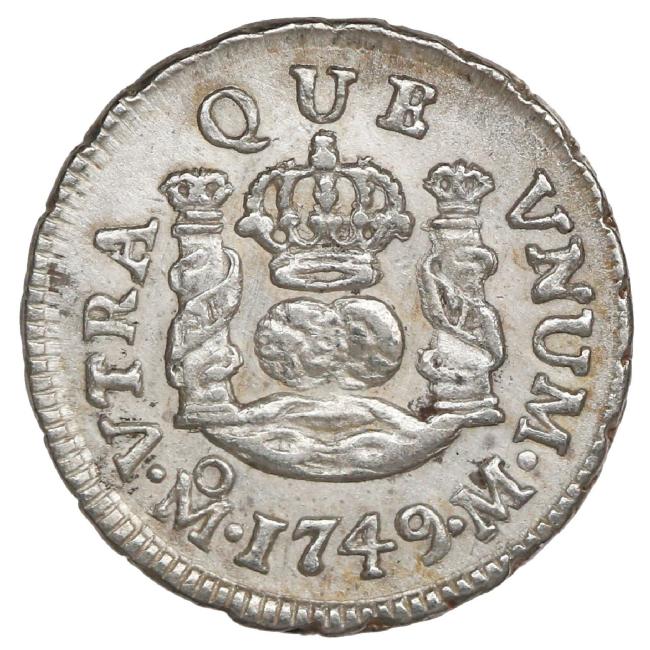
The Museum does not function as a public catalog of archaeological sites or collections. Instead, it provides responsible access to qualified users through established request procedures. This approach allows the Museum to support research and education while protecting archaeological resources, site information, and the long-term integrity of the collections.
Request Access
Researchers, students, instructors, agencies, and other qualified users may request access to archaeological collections for approved research, teaching, exhibit, loan, photography, or professional purposes.
Some archaeological collections may be subject to access limitations or research restrictions, including the Museum’s research moratorium on materials subject to NAGPRA review. Please see the Collections Access Requests page for more information.
Please visit the Collections Access Requests page to review the access process and submit a request.